
Are we Really That Different?
A reflection from sixth-form student Sofia Devereux-Renny on this year’s theme: ‘See the World Through Their Eyes’
When we think about animals, we often see them as just that – animals. Different from us. Lesser than us. But is that really true?
While humans may be top of the food chain, why does that mean we so often overlook the incredible lives of other species? I’ve compiled some interesting facts and titbits about animals, their behaviour and their evolution, ranging from eerily similar habits to us humans, to those that are very unique. Hopefully, by the end, you’ll find yourself questioning what you thought you knew about the creatures we share our planet with.
Do Animals Dream?
Let’s start with something every human does: we dream. Whether we’re asleep or daydreaming through a particularly boring lecture, we all dream. But we’re not alone.
Octopuses dream too, just like us. Their sleep includes two different stages, one of which is remarkably similar to the REM sleep humans experience. One famous octopus, Costello, was even observed ‘inking her tank’ after waking, and scientists realised that she may have had a form of a nightmare in which she recalled traumatic memories in her sleep.
Intelligence, Memory and Emotion
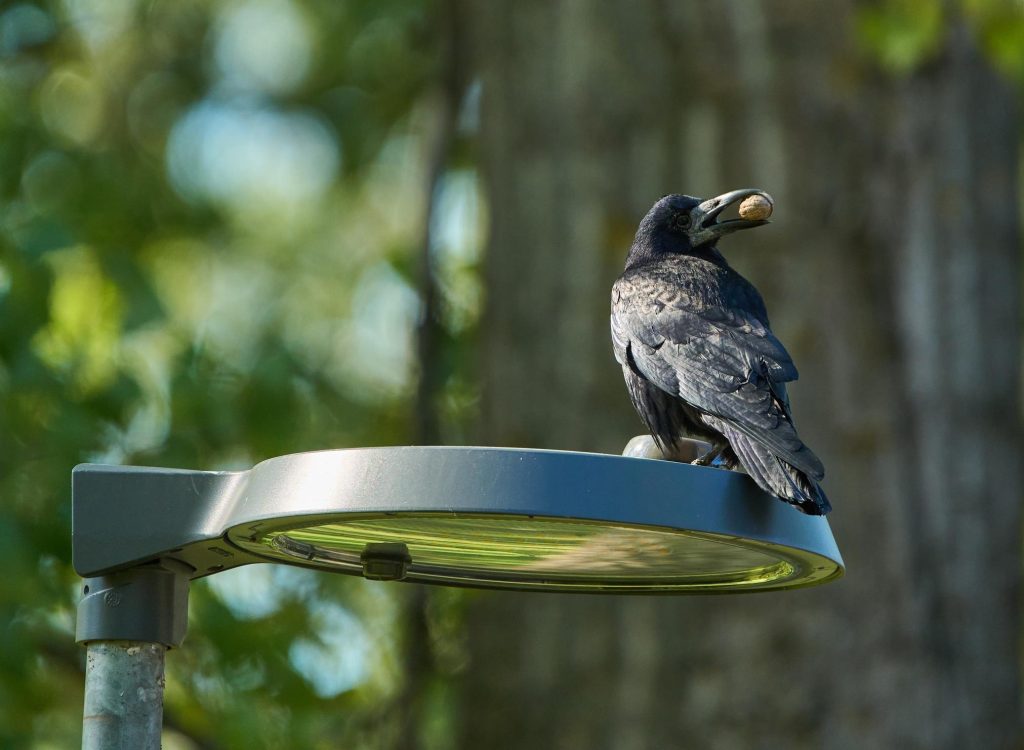
Something else we humans do is hold a grudge. Humans express many emotions, one of them being stubbornness. Can you guess who else can be just as stubborn? Crows!
They might have a bit of a spooky reputation, but crows are incredibly intelligent. Some have even been seen dropping hard-shelled nuts onto roads, waiting for a passing car to crack them open before safely collecting the snack inside. Clever, right?
Crows also have an incredible memory. If someone treats them badly, they can remember your face for a lifetime and even teach their young to avoid you too. Now that is one impressive grudge!
On the other side of this, another animal that often gets an unfair reputation is the rat, who actually laughs when they’re tickled! While many people think of rats as dirty or disease-ridden, they’re actually playful, intelligent animals. Scientists have found that rats emit tiny high-pitched chirping sounds when they’re tickled – essentially the rat equivalent of laughter.
Love, Friendship and Grief
Relationships. That’s something all humans have, whether it’s with our parents, friends, partners or family. Positive or negative, we all have connections with other people.
Well, so do many animals.
Cows have best friends! Penguins are known for offering their significant other a pebble as part of their courtship rituals, their equivalent of ‘proposing’. On the opposite end of the scale, some owl pairs can separate if breeding isn’t successful. There’s no paperwork or courtroom involved, of course, but they can dissolve their bond and find a new mate.
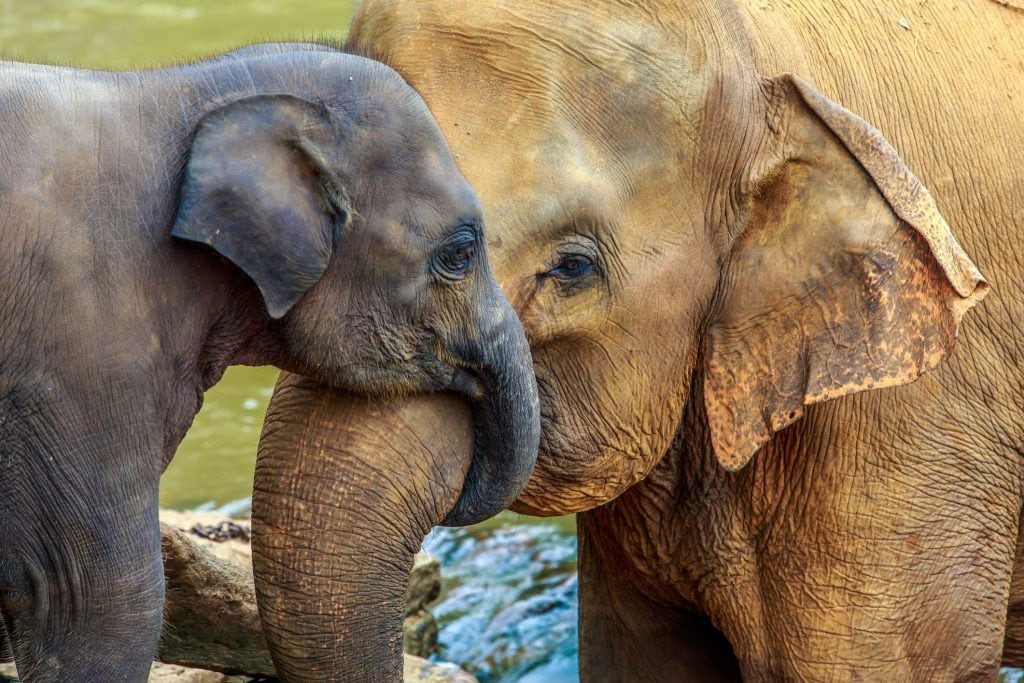
Sadly, grief is something we share too. Humans have different ways of mourning those we’ve lost, and many animals do too. Elephants have been observed returning to the remains of family members, spending time quietly touching the bones with their trunks before eventually moving on. It’s a powerful reminder that emotions aren’t always uniquely human.
Animal Communication and Human Similarities
We often think speech is uniquely human, but communication in the animal kingdom is amazingly sophisticated.
Dolphins have specific names and whistles for one another, much like how we have names! Likewise, goats, bats and even whales can develop regional accents, changing the sounds they make depending on the group they belong to. The more we study animals, the more similarities we discover.
But enough about our similarities. Animals are fascinating in their own right.
The Incredible Ways Animals Have Adapted
Take eyes, for example. Humans have blue, green, brown, hazel and even in some rare cases, ‘heterochromia’ where they have two different-coloured eyes. Animals take things even further. Some have bright yellow eyes, vivid red eyes or pupils shaped like slits, squares or zigzags. Reindeer even change the colour of their eyes from golden-brown in summer to deep blue in winter, helping them see better in the snow and low light.
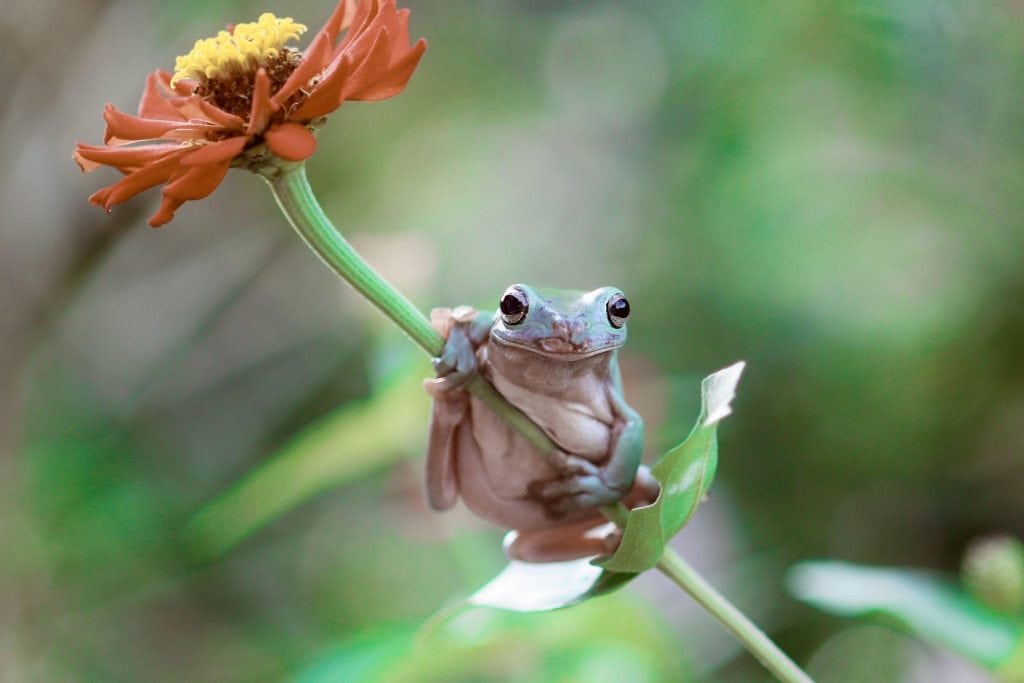
Evolution has equipped even the most common animals with some extraordinary adaptations. Garden snails may seem pretty regular, but they can have around 14,000 tiny teeth. Frogs are even more surprising. Some species fly through the air, while others, like the tropical frog, perform dances to attract a mate. Their slimy skin isn’t just for show either – it helps them breathe, fight infection and protect themselves from predators.
Animal myths
Then there are the animal myths.
Many people think hippos swim, but they don’t in the way we imagine. Instead, they usually move by pushing themselves along the riverbed, using their immense weight and density to stay submerged.
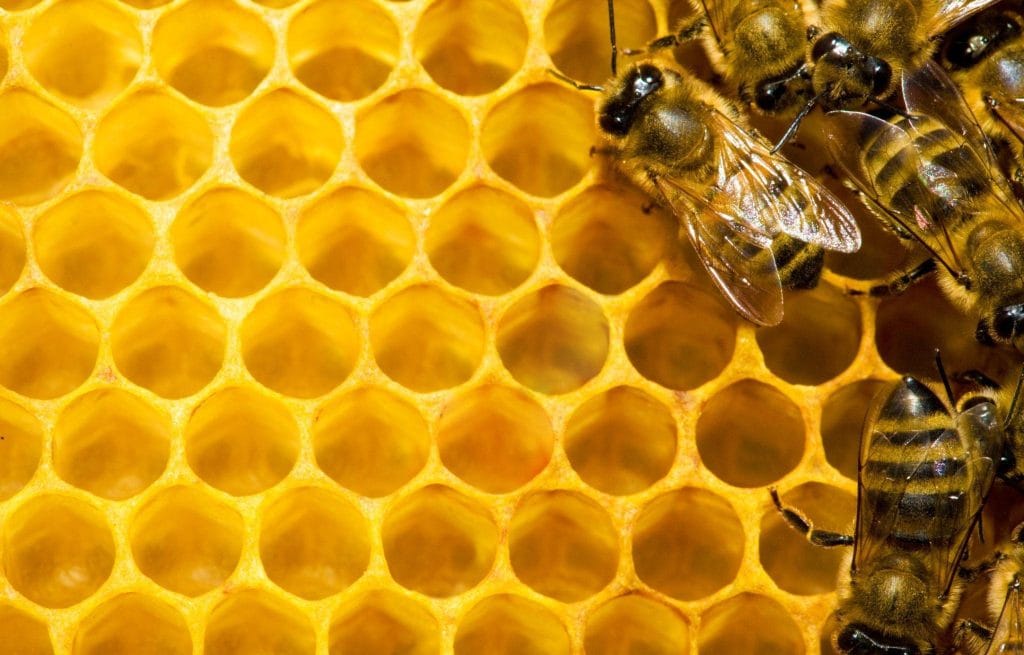
Another common myth is that animals don’t understand time. In reality, many species have impressive internal clocks. Honeybees will tell other areas of the hive what time they found their food so that they can return the same time the next day. Deer adjust their daily schedules depending on if it’s hunting season, and African elephants know when the rainy season will start and migrate in anticipation.
Nature’s Secrets
The more you learn about animals, the more extraordinary they become.
Sea cucumbers can eject their internal organs to escape predators before growing them back. Caterpillars have 12 eyes. Some snakes have infrared imaging- seeing heat signatures in the dark. Lyrebirds can mimic camera shutters, chainsaws and countless other sounds with astonishing accuracy. Ravens have even been observed mimicking wolf calls, potentially attracting wolves to carcasses that both species can then feed on.
With an estimated eight million animal species on Earth, we’ve only scratched the surface. Scientists are still uncovering how many of these remarkable abilities evolved and exactly how they work. Every new discovery reminds us just how much we still have to learn. To me, that’s one of the most exciting things about nature.
This World Animal Day, I hope you’ll look at animals a little differently. They’re not “just creatures”. They’re intelligent, emotional, adaptable and endlessly fascinating, and they deserve our curiosity, our respect and our protection.