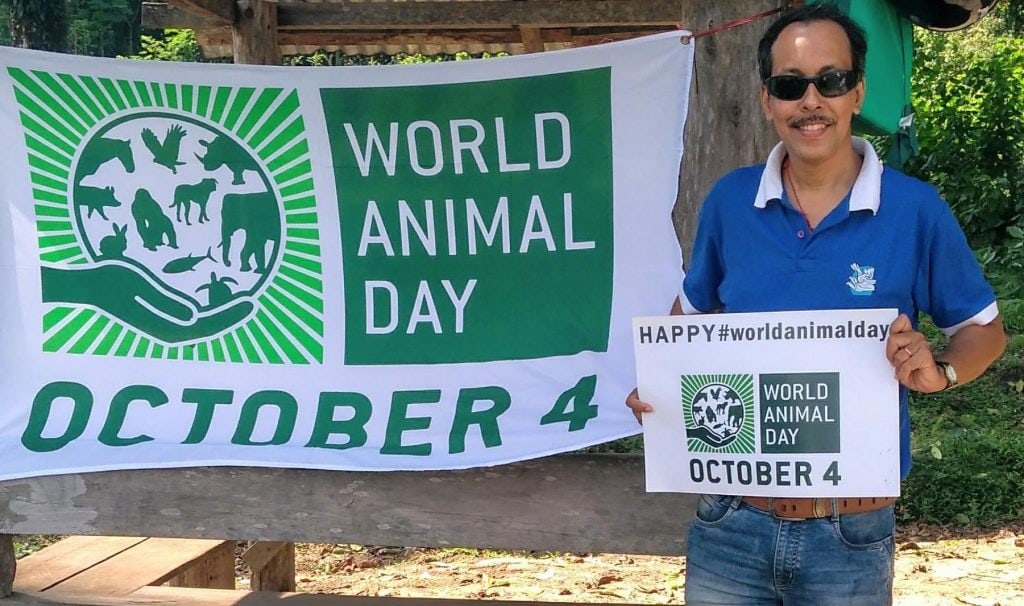
This year’s World Animal Day invited everyone to “See the World Through Their Eyes”, and people around the world definitely answered that call! From shelters and schools, to sports and even parliaments, 61 events were registered to our website this year. Online, the conversation reached millions. Here’s a look at how the day unfolded.

Ambassadors in Action

Some of the most inspiring celebrations came from our trusty, hardworking ambassadors, who found a variety of ways to make the day count.

In Romania, Claudio Iosim of Animed Arad laced up his trainers and ran a half marathon relay with his partner, proving that you can speak up for animals one stride at a time.

Over in Rwanda, Dr John Claude and the team at RAWO had a busy day on the road. They visited a farm to talk about animal welfare, then headed to another district to meet students at a veterinary school to spread the word of World Animal Day and vaccinate dogs against rabies.

Close by in the Democratic Republic of Congo, Paterne Bushunju of Sauvons Nos Animaux spent the day at the Haven of Peace shelter in Bukavu with the Young Friends of Animals Club. The children talked about the importance of respecting, protecting and loving animals, then sat down to share a meal together. Flags around the city reminded everyone that kindness to animals helps build a more humane society.

Finally, across the Atlantic in Brazil, Rosangela Gebara of the Ampara Animal Institutes unveiled a new animation NAME, teaching children about the importance of responsible pet ownership, handing out books to more than 100 local schoolchildren.
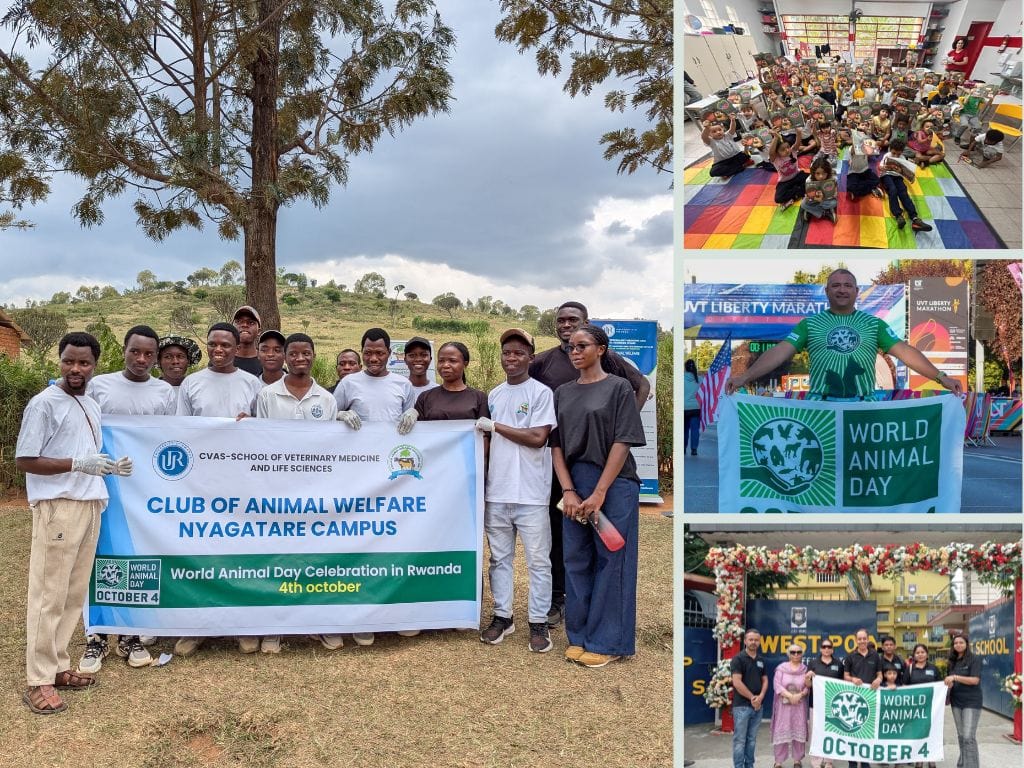
A collage of World Animal Day celebrations around the world. The large image shows a group of veterinary students standing beneath a tree in Rwanda, holding a banner reading “Club of Animal Welfare Nyagatare Campus” and “World Animal Day Celebration in Rwanda”. The three smaller images show children holding books in a classroom, a man holding a World Animal Day banner at a marathon event in the United States, and a group of people outside a school holding a World Animal Day October 4 banner.

The celebrations weren’t limited to the grassroots. In Belgium, Pet Alliance Europe marked the day with their annual #PetPower Night, bringing together over 100 guests including Members of the European Parliament, European Commission and Council officials, and animal welfare organisations to celebrate “animals that heal”.

Back in the UK, here at World Animal Day HQ, Naturewatch Foundation, we swapped our office for Pittville Park in Cheltenham, joining hundreds of local runners at “parkrun”. Volunteers and runners donated pet food as part of our annual Donate a Dinner campaign, which encourages people across the UK to support local animal rescue centres. Everything we collected went to Tackles Animal Sanctuaries and Cheltenham Animal Shelter. Read more here!

The Conversation Goes Global
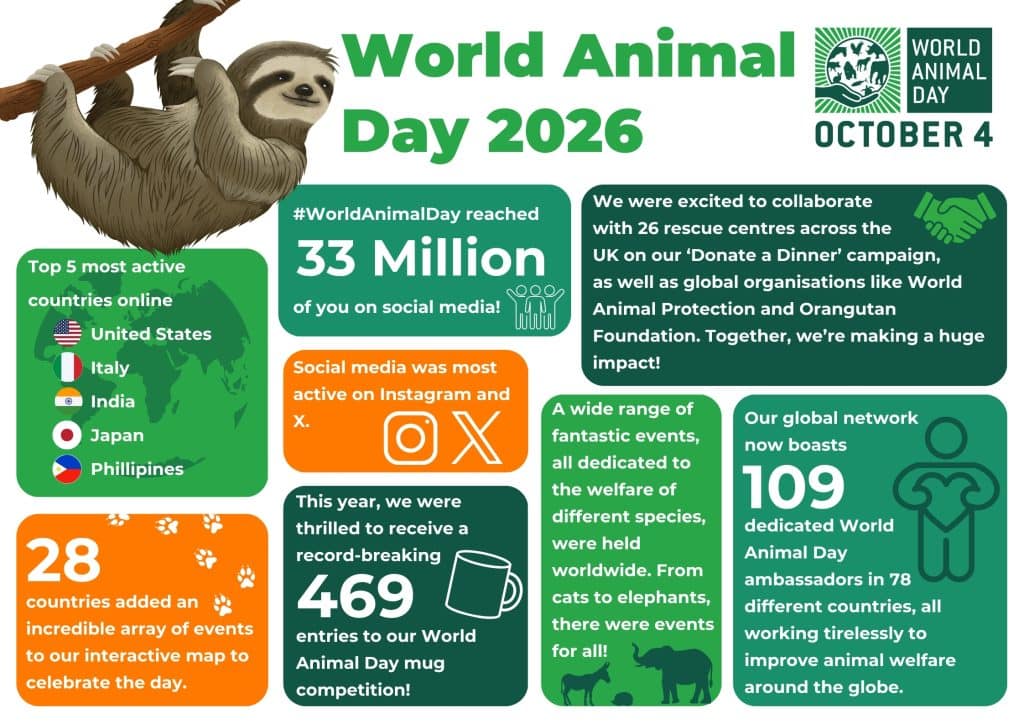
A colourful green and orange infographic celebrating World Animal Day 2026, featuring an illustrated sloth hanging from a branch and the World Animal Day logo. The infographic highlights the campaign’s impact, including a social media reach of 33 million, 469 entries in the World Animal Day mug competition, events in 28 countries, 109 dedicated ambassadors across 78 countries, and collaboration with 26 UK rescue centres through the Donate a Dinner campaign. It also identifies the United States, Italy, India, Japan and the Philippines as the five most active countries online, and highlights Instagram and X as the most active social media platforms.

Of course, our celebrations didn’t stop at the gates of parkrun. Online, World Animal Day brought people together from every corner of the globe:

  • 33 million people were reached
  • There were 19,000 mentions of World Animal Day

Some big names joined in, too. National Geographic India shared a message of kindness, empathy and hope for the animals we share our world with. The Jane Goodall Institute introduced some of the personalities living at its Tchimpouga sanctuary in the Republic of the Congo. We met Kefan the chimpanzee, Kivuli the playful sniffer dog, and ZZ the young, shy gorilla. It was a powerful reminder that all animals are individuals with their own personalities and needs. FOUR PAWS echoes that message, highlighting animal sentience and the fact that animals deserve more and simply survival.

Closer to home, Naturewatch Foundation patrons Ben the Vet and Dan Richardson encouraged their followers to “donate a dinner” to a local rescue. And, in a lovely nod to this year’s theme, George the Stourbridge Station Cat, a famous ginger cat with more than 40k followers, shared a poem. His message was simple: animals don’t care about our jobs, homes or bank balances. They know kindness, safety and love.

The Next Generation Steps Up

It was just as heartening to see the youngest generation get involved globally, Schools, nurseries and universities joined the celebrations, from Knockhill Primary School, where children enjoyed an animal-themed assembly, quizzes and activities around this years theme, to Forest Oasis Nursery, where little ones were encouraged to notice, observe and connect with the wildlife around them. Moments like these help young people to build empathy and respect for the natural world, which is exactly the mission of World Animal Day.

Until Next Year

From global conservation organisations to individual animal lovers, the message was clear: World Animal Day is a chance each year to pause, see the world from an animal’s perspective, and think about how we can make it a kinder place for every animal.

Thank you to everyone who took part. We can’t wait for next year!
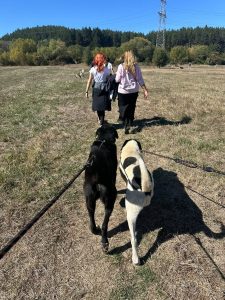
On 4 October, World Animal Day became more than a date on the calendar for students from XII Primary School “Vasil Levski” in Pernik, Bulgaria.

In the days before the visit, pupils, families and members of our school community collected food, blankets, bedding and other useful supplies for the Municipal Shelter for Stray Dogs in Pernik. On World Animal Day, a group of students delivered the donations and spent time with the animals living there.

The shelter cares for stray and abandoned dogs from the Pernik area. Behind every kennel is a different story — an animal waiting for care, attention, a walk, and, in the best possible case, a permanent home. The people working there face this responsibility every day, but shelters also depend on the support of volunteers and the local community.

Our students did not simply bring donations.

They met the dogs, reached through the kennel bars to offer affection, spent time with the puppies and took several of the adult dogs outside for a walk. For the children, animal welfare suddenly became something real and immediate.

Our World Animal Day initiative was inspired by the message “See the world through their eyes.” We asked ourselves a simple question: What do we want animals to see when they look at us?

Our answer was:

Love. 

The visit was part of our registered World Animal Day event, “Small Hands, Big Hearts: Students Supporting Shelter Dogs in Bulgaria.”

But our message does not end on 4 October.

We would like to encourage people everywhere to support their local animal shelters throughout the year. Donate food or bedding. Offer your time. Walk a shelter dog. Share information about animals waiting for adoption. Adopt responsibly when you are ready.

Not everyone can save every animal.

But everyone can do something.

And sometimes, for one frightened or lonely animal, that small act can mean the whole world.

Municipal Shelter for Stray Dogs in Pernik:
dogs.pernik.is-bg.com 

XII Primary School “Vasil Levski”, Pernik – Facebook:
https://www.facebook.com/profile.php?id=61569414087195

Dumbrava lui Patrocle was never meant to be just an animal rescue. From the beginning, the idea was to create a place where animals and people could help each other: rescued animals, children from rural communities and elderly people who are too often isolated or forgotten.

We are in a rural area of Romania, and here it is very difficult to separate animal welfare from the community around it. An abandoned dog may come from a family that never had access to affordable sterilisation. A litter of puppies may be born because veterinary care is difficult to reach or simply too expensive. An elderly person may have an animal that is one of their most important sources of companionship. And a child who loves animals is growing up in the same community where all these problems, and their possible solutions, exist.

Today, around 80 animals live in our care: dogs and cats, but also a pony and a goat. Some are young and healthy and simply waiting for homes, others are old, frightened, disabled or living with medical problems that make adoption much more difficult.

At the same time, children from the villages and communes around us come to Dumbrava. They do homework, play, walk dogs, spend time with the animals and help care for them. And a surprising amount of learning happens without anyone announcing that it is time for a lesson.

A child learns patience because a frightened dog needs time.

They learn that the dog hiding in a corner isn’t “bad”. That an animal doesn’t have to accept being touched simply because we want to pet it. That caring for someone means noticing what they need, not only what we want from them.

They learn about responsibility, boundaries, trust, fear, illness, disability, ageing and loss. Most importantly, they learn that animals are individuals.

The elderly are another part of the same idea.

Our work with them is still smaller than we would like it to be, but the long-term dream has always included a place where elderly people don’t have to choose between receiving the care they need and keeping the animals they love. Because companionship matters at both ends of the leash.

And then there is prevention. We have a mobile veterinary clinic. Sterilisation is essential because no matter how many animals we rescue, we cannot rescue our way out of overpopulation. Every litter prevented means animals who will never be abandoned, injured on the road, become sick without treatment or eventually arrive at the gates of an already overcrowded rescue.

Sometimes the frustrating part is that the infrastructure exists, the veterinarian exists, the need certainly exists. What is missing are the resources to put all of it to work as often as the communities around us need it.

This is what animal welfare looks like from where we stand, it isn’t only the moment somebody picks up an injured dog from the side of the road, it happens much earlier. It happens when a family can sterilise their dog before another unwanted litter is born, when veterinary care becomes accessible in a rural community, when somebody chooses adoption, when an elderly or disabled animal is still considered worth caring for.

It happens when a child grows up understanding that an animal can be afraid, happy, frustrated, playful, tired or in pain, that all these apply to humans as well  and that all of those things matter.

And it happens when we stop thinking of animal welfare and human welfare as completely separate things.

If we look at the world through their eyes, perhaps that is the biggest lesson our animals can teach us: rescue matters enormously, but prevention, education, empathy and community can change what happens before rescue is ever needed.

That is the future we want to build at Dumbrava lui Patrocle.

Not a world with bigger shelters.

A world that needs fewer of them.

The wait is over! We are delighted to announce the winner of Naturewatch Foundation’s 2026 World Animal Day ‘Design a Mug’ competition.

With over 400 wonderful entries from 28 countries around the world, our judges had the very tricky task of choosing just one winner. Entries came from countries including Canada, India, South Africa, Australia, the USA and across Europe, showcasing an incredible range of creativity and love for animals.

After much deliberation, we are thrilled to reveal that this year’s winning design came from Louisa (aged 15) from Canada, with her beautiful illustration of two toucans. Louisa’s design captured the joyful spirit of World Animal Day perfectly.

Louisa shared the inspiration behind the design:

“The colours of toucans brought a sense of brightness and energy that immediately caught my attention. I decided to use toucans to represent wildlife and to show the beauty and diversity of the natural world.

I thought placing the birds close together would show that they belong together and rely on one another to survive in the wild. I also wanted to show the importance of protecting the natural environment they depend on, so I added tropical, vibrant plants around them.

This represents how protecting their environment also helps protect the animals that live there.”

Buy your very own World Animal Day mug here!

Louisa’s creation has been brought to life on our special edition 2026 mugs, which are now available to buy from Naturewatch Foundation’s online shop. And if you missed out in previous years, the outstanding 2024 and 2025 designs are still available too – why not start a collection? Each mug you buy goes directly to supporting our animal welfare campaigns.

Our wonderful runners-up

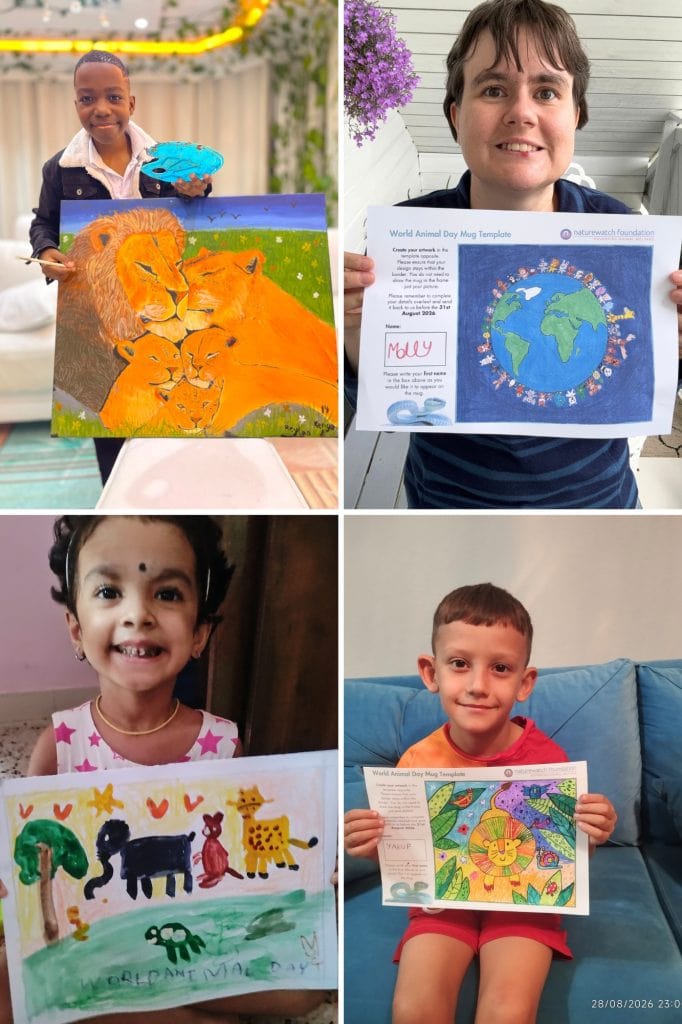
A collage of four World Animal Day ‘Design a Mug’ competition runners-up holding their artwork. The designs feature a lion family, a globe surrounded by animals, farm and wild animals in a world animal day scene, and a colourful lion surrounded by plants and animals.

This year’s competition saw entries from all corners of the globe, from the USA to Kenya! With so many inspiring designs, we couldn’t choose just one winner.

Congratulations also go to our talented runners-up across the different age categories, whose prizes are on their way to them!

  • Jija – runner up in the under 5 age category
  • Yakup – runner up in the age 5-10 category
  • Reylan – runner up in the age 11-16 category
  • Molly-Ann – runner up in the age 17+ age category

A few special mentions

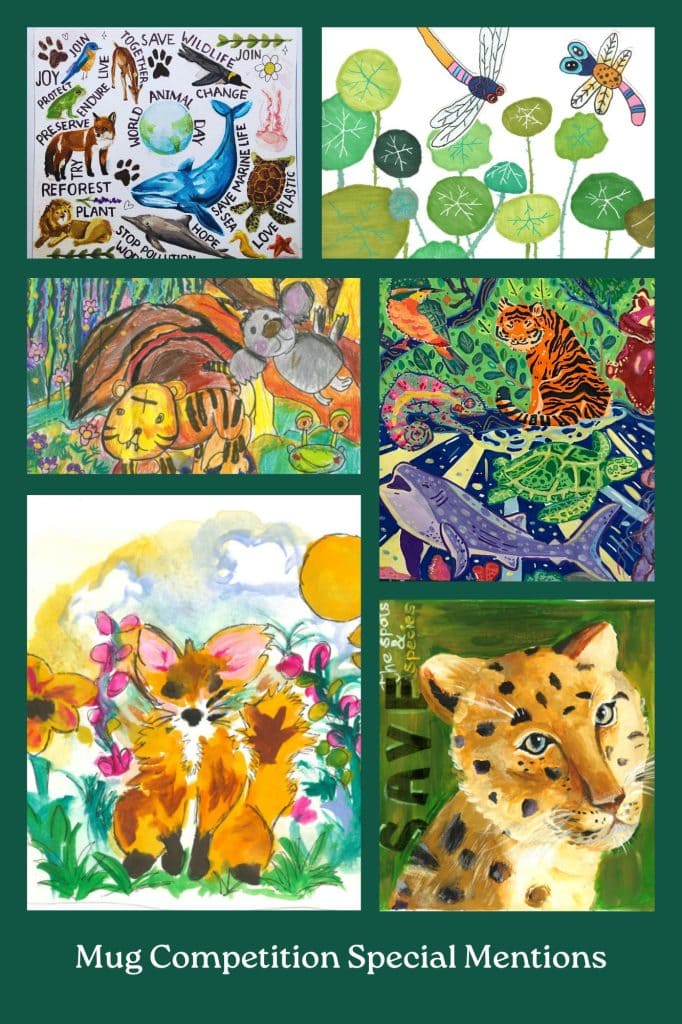
This year, due to an outstanding level of artwork, we also awarded special mentions to the six wonderful entrants below. Congratulations!

  • Leon, age 5
  • Amelia, age 7
  • Shikha, age 11
  • Clementine, age 12
  • Shriya, age 12
  • Raina, age 13
A collage of six World Animal Day ‘Design a Mug’ competition artworks. The designs, from bottom right, feature a tiger with 'save the spots and species' written next to it; a fox in a field of flowers; a colourful scene featuring a turtle and blue whale, a forest setting with a tiger and a koala bear, green lilypads with two dragonflies flying overhead, and a scene of multiple animals including a fox, deer, and penguin, with handwritten words about protecting animals and the environment.

Congratulations once again to Louisa for her winning design, and thank you to everyone who took part in making this year’s competition such a joy. We can’t wait to see what creative ideas 2027 will bring!

Naturewatch Foundation, a UK-based animal welfare charity, coordinates World Animal Day every year and sponsors the annual World Animal Day grant. Visit the Naturewatch Foundation website to find out more.

Social media is one of the most powerful tools we can use in helping animals. A single post can reach further, faster and wider than almost any other action. Every year on October 4, World Animal Day reaches over 50 million people online, as advocated from Afghanistan to Zimbabwe unite to celebrate and speak up for the animals that we share our planet with.

When used well, social media can educate, mobilise and hold people to account for animal welfare issues worldwide. But it’s worth remembering that not everyone uses it responsibly. Some content cruelly exploits animals under the guise of “rescue” or entertainment, so it’s worth knowing how to spot and report such posts as you find your own voice.

Remember that #WorldAnimalDay isn’t just a hashtag. Whether you’re posting, sharing, or going a step further and organising your own event, this toolkit will help you make the most of it. From understanding what the day is all about, to planning your content, sharing your message and following up once it’s done to ensure that the movement stems beyond a hashtag.

Navigate our social media toolkit using the buttons below to find out everything you need to get started.

Whether you are an individual, student, business, community group or organisation, you can make a difference for animals on October 4.

World Animal Day is for everyone, and hosting an event is a powerful way to get involved and help raise awareness.

Every year, thousands of events take place around the world as part of World Animal Day.

From small local gatherings to large public campaigns, each activity helps shine a light on animal welfare and encourages positive change.

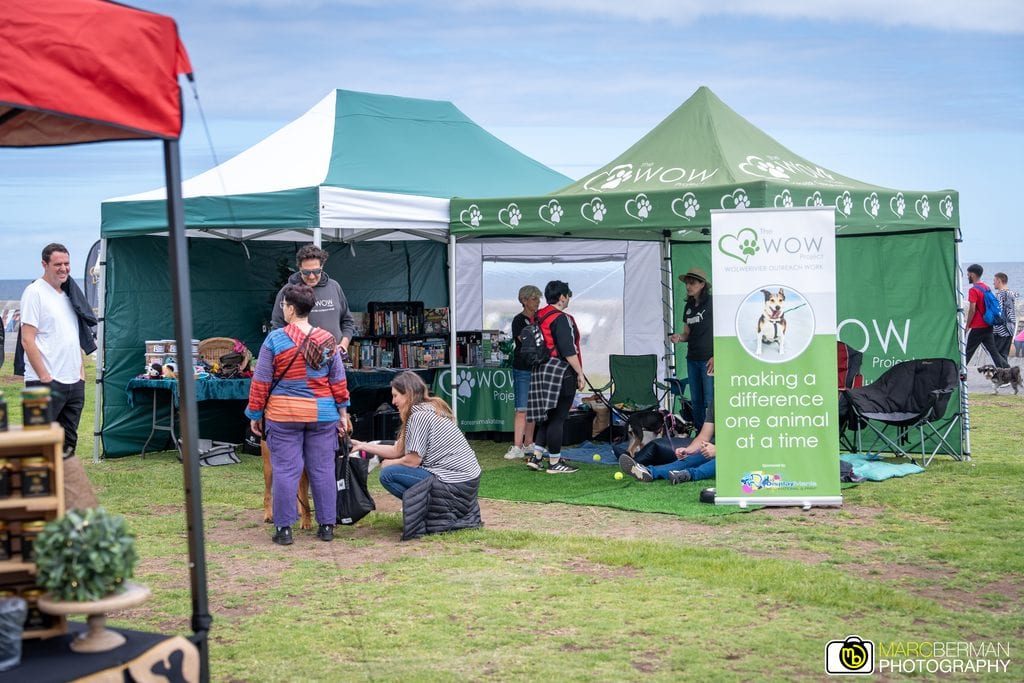
Our South Africa Ambassadors, Paws-A-While, celebrating World Animal Day in 2025 by throwing an awareness event which included activities, educational talks and interactive displays. Photography credit to Marc Berman Photography.

Written by Zoe Bizicki – Orangutan Foundation

Zoe Bizicki, Communications and Operations Officer at Orangutan Foundation, submitted this year’s World Animal Day theme, ‘See the World Through Their Eyes’. Here, Zoe shares the experiences and reflections that inspired her idea.

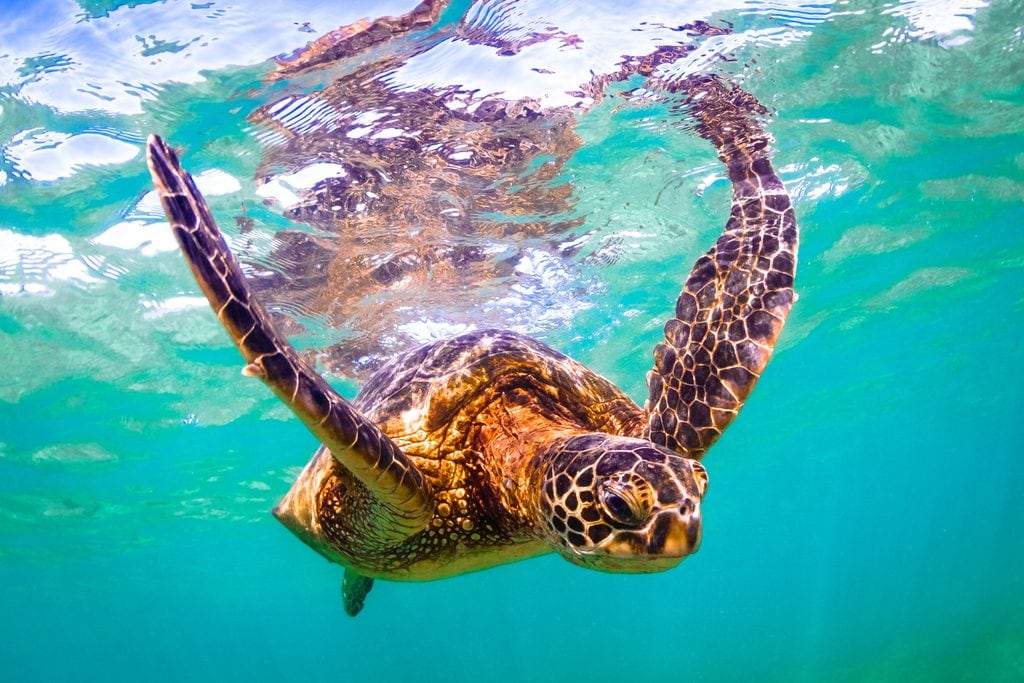
On a cloudless day off Little Corn Island, Nicaragua, I’m diving in the warm blue waters of the Caribbean Sea. Below the surface, life seems to pause — a silent tropical paradise interrupted only by the faint, constant crackle of snapping shrimp.

Waves rock me gently from side to side, and I feel part of the ocean floor’s slow dance: sand washing over coral beds, ribbons of seaweed waving like flags. Tropical fish dart around me in their own private choreography — and then the main act arrives: a green sea turtle, gliding into view.

I stay as still as I can, watching this quiet creature nibble at a garden of coral, and I can’t help but feel I already know him. I’ve never seen a sea turtle before, but images of Finding Nemo and aquarium adverts drift in and out of my mind. Somewhere along the way, we decided this animal would be our poster boy — a celebration of life on Earth. Yet we turn a blind eye to his relatives caught as bycatch. There is no single rule for all in this world.

I follow the turtle at a safe distance as it moves through the water like a hawk drifting on the wind — two creatures, on land and at sea, living out the same silent mastery of their element, never to know of one another. I realise how privileged I am to witness this: a perfect adaptation, one of countless niches of life, each species finding its own way to survive.

This undersea moment is a reminder that we live amongst some of the most extraordinary phenomena on Earth. The wonderful diversity of life on Earth led me to create this World Animal Day theme: to ask us all to pause and see the world through their eyes.

As humans, we live in worlds of our own making. I watch people glued to their phones on the commute into the office, quick to speak of the beauty of Our Planet or a dolphin fridge magnet brought back from a friend’s trip to the Bahamas. We appreciate animals in flashes, when it’s convenient — but do we, as a collective, truly care for them? I don’t think we do.

‘See the World Through their Eyes’ is an invitation to reflect on our place in it. AI is powering us through a dark tunnel of unknowns, and climate change looms over all of it. In the face of that, we seem to be running out of hope for instilling compassion and driving real action. But perhaps this is a new way in: I believe that once you’ve witnessed something miraculous in nature, you cannot simply turn your back on it.

It’s a privilege to see astonishing nature first-hand — but then again, haven’t we been witnessing entire worlds through the power of imagination since childhood? Even in cities, small parks and green spaces boast a plethora of life if one slows down enough to notice it.

A year later, back in London, I went on my lunch walk from my office at the Orangutan Foundation’s office to nearby Regent’s Park and found a green feather resting on the grass. The park is usually dappled with the lost property of pigeons and gulls, but this one felt special — a parakeet’s feather, a controversial invasive species, and still a small decoration of colour in a parched summer park.

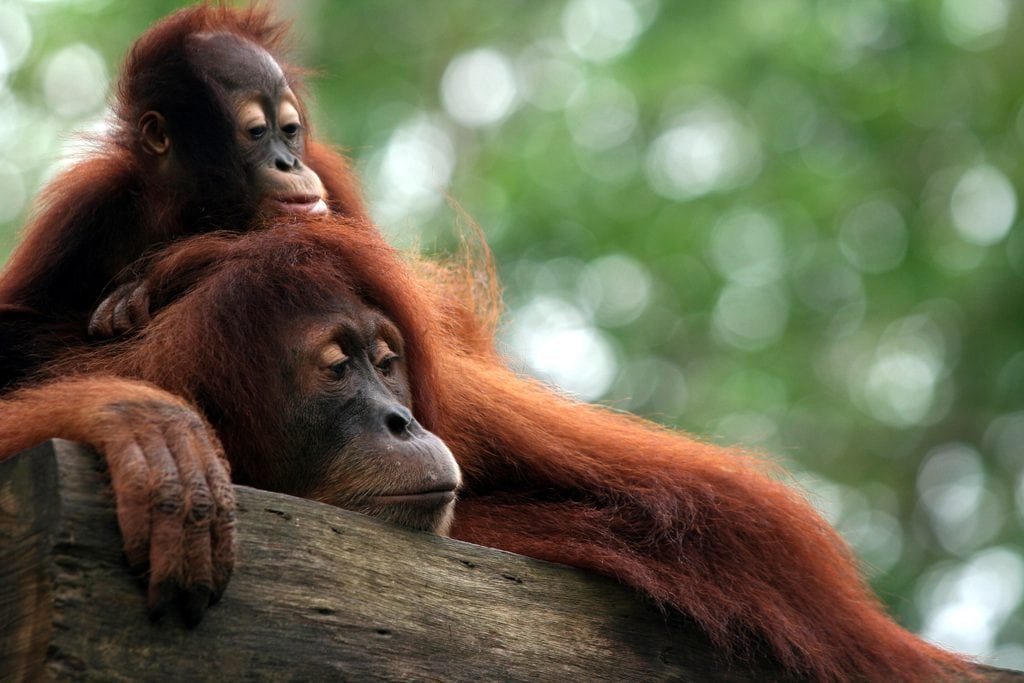
My work at the Foundation lets me see the world through another species’ eyes every day. My daily walk through the park reminds me of London’s wildlife. Meanwhile, as Communications Officer, I sift through reports, images, and videos from the field to share with our supporters. But every so often, a video stops me in my tracks: a mother orangutan, her gaze lost in the camera as her infant nurses below; a dominant male pausing near camp, watching us as we watch him; a family of proboscis monkeys leaping into the river, focused on finding food on the far bank.

Every day, as we go about our busy lives, animals around the world continue their own secret lives. I sometimes wonder what’s happening in a given moment somewhere else — a birth, a death, a quiet act of survival. These species live differently to us, but they live. We owe it to them to notice. So, this World Animal Day, why not try to do the same —to see the world through their eyes, too.

Celebrating projects making a difference for animals around the world

Every year, World Animal Day brings together people and organisations who are working to improve the lives of animals in their communities, and our annual grant is one way we can do this. 

This year, we received some incredible applications from World Animal Day Ambassadors around the world. Choosing just a few projects to support was no easy task, but we’re delighted to announce the three recipients who will share our £10,000 World Animal Day grant in 2026.

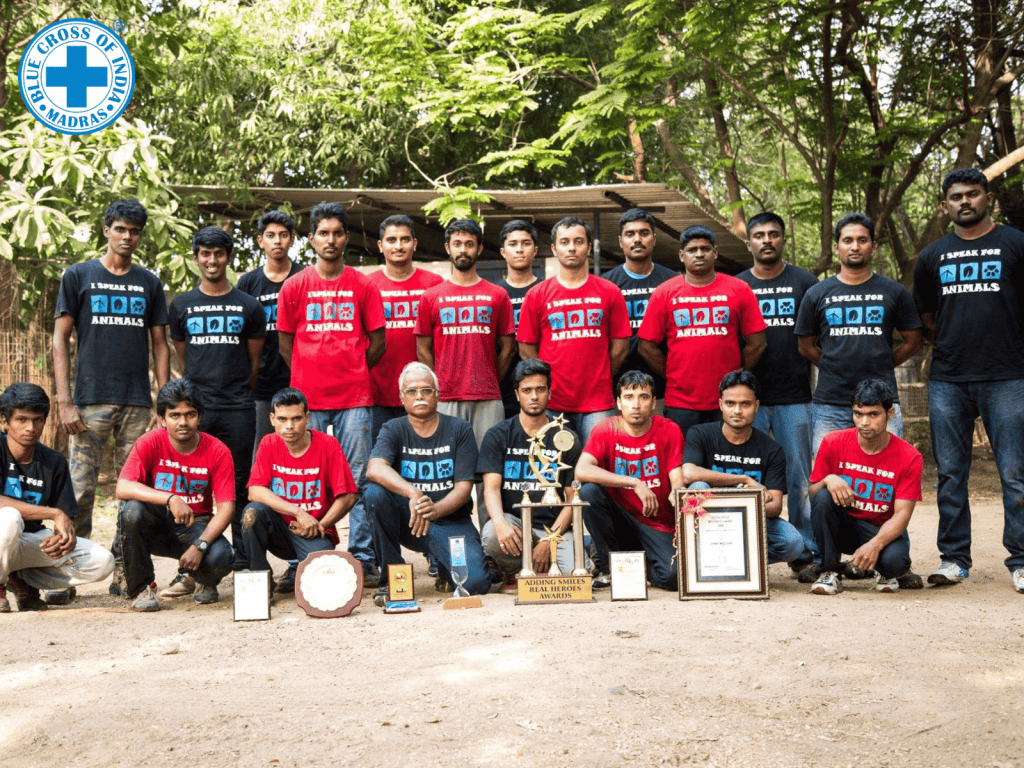
Blue Cross of India – Chennai, India

For animals living on the streets of Chennai, intense summer temperatures can be life-threatening. Access to clean, safe drinking water can make the difference between life and death, helping animals avoid dehydration and heat stroke. 

Blue Cross of India will use its grant funding to provide permanent cement water bowls for homeless animals across Chennai. The project will create reliable access to fresh drinking water, providing relief for animals facing increasingly challenging conditions.

By establishing permanent water stations, the project aims to create a lasting resource for animals and the communities who care for them.

WagWag – Banja Luka, Bosnia and Herzegovina

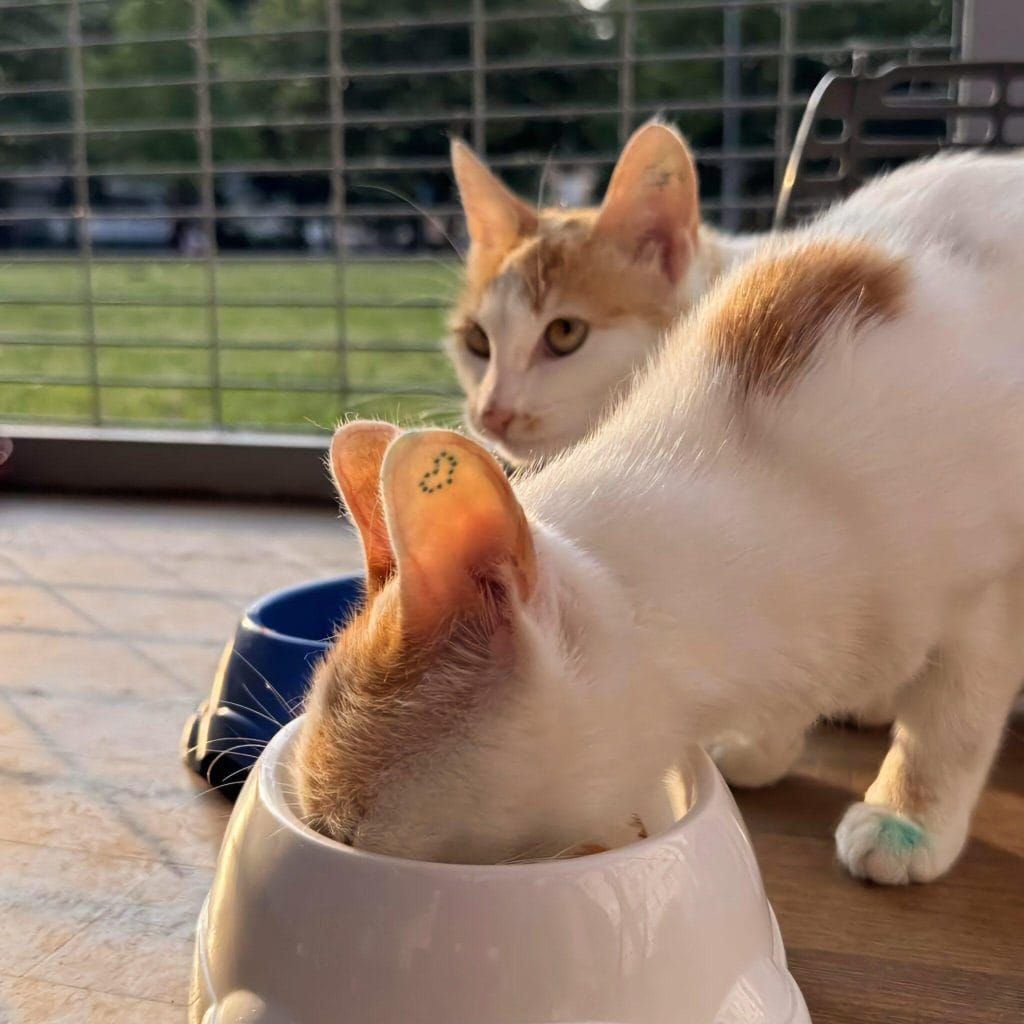
Building on last year’s successful project, WagWag will use this year’s grant to continue its work supporting stray cats in Banja Luka.

Over three months, the team hopes to trap, neuter and return (TNR) around 120–150 stray cats. By sterilising cats living on the streets, the project will help prevent unwanted litters and reduce the number of cats facing life without a home.

TNR is a simple but effective way to improve the lives of stray cats while helping to tackle the growing number of animals living on the streets. Alongside preventing future suffering, it can also help improve the health and wellbeing of the cats already in the community.

We’re really pleased to be supporting WagWag again this year and can’t wait to see what they achieve with the project!

People for Animals – Siliguri, India

People for Animals Siliguri, are taking a brilliant approach that brings together animal welfare and the environment.

With the grant, they’ll be supporting stray animals and local wildlife in a number of practical ways, including setting up water stations, providing food and vaccinations, planting trees and creating artificial nests for birds.

The project will also bring the local community into the work, helping people learn more about caring for animals and protecting the wildlife around them.

It’s a lovely example of how looking after animals and looking after the environment can go hand in hand, and we’re excited to see the difference this project makes!

A shared goal

Although each of our 2026 grant winners is tackling a different challenge, they all share the same ambition: to create a safer, healthier and more compassionate world for animals.

We’re incredibly excited to follow their progress and see the difference these projects make in the months ahead.

Congratulations to Blue Cross of India, WagWag and People for Animals, and thank you to every World Animal Day Ambassador who took the time to apply. The quality and commitment shown in this year’s applications reminded us just how much dedicated individuals and organisations are doing for animals around the world.

Get involved this World Animal Day

The World Animal Day grant wouldn’t be possible without the passion and dedication of our ambassadors around the world. Thank you for everything you do to make a difference for animals in your communities.

And of course, World Animal Day takes place on 4 October and celebrations are already getting underway around the world.

Have an event planned? Upload your World Animal Day event to our map. 

Together, we can make this World Animal Day bigger and better than ever! 

Seeing A need for change

When our newly appointed World Animal Day Ambassador, Samson, looked at the working animals carrying the weight of rural life in Zambia, often overworked and under cared for, he saw a problem too urgent to wait. Add to that the rising number of dog bites in remote communities with no rabies vaccinations in sight, the need for action was impossible to ignore. 

So, he acted. 

A historic step for animals

On 7th June 2026, National Animal Rights Day, Samson and his team gathered in the Chisamba and Chimbobo districts for Zambia’s first ever march for animal rights. The march took place along the busy Great North Road, a route that links Zambia with neighbouring countries including the DRC, Angola and Tanzania, and forms part of a wider regional transport network. Members of the public stopped to ask questions about the cause, taking photos and sharing the event on social media. 

Following the march, residents gathered at a community football ground, where the day unfolded into a celebration of animal protection. Two football matches, organised for local children, helped strengthen community spirit, while speeches, an open Q&A session, and a talk on the Five Freedoms of animal welfare encouraged discussion and learning. Leaflets and posters helped spread the campaign’s message even further, and dogs and cats from the community received deworming treatment and tick treatment on the spot, courtesy of Samson and his team’s mobile veterinary clinic.

Overcoming challenges

None of this action came easily. Facing limited funding and the challenge of introducing an entirely new concept in Zambia, the movement has had to navigate significant cultural and economic hurdles. However, community engagement has continued to grow, with local government officials and NGOs embracing the project and recognising its potential to create lasting change.

A movement beyond the march

Samson’s vision now stretches far beyond one march: a Zambia, and a world, where compassionate treatment of animals is valued and protected as part of everyday life, not the exception. As we approach World Animal Day 2026, his story is a powerful reminder that a single first step, even one taken with limited resources, can begin to transform an entire community’s relationship with animals.

A reflection from sixth-form student Sofia Devereux-Renny on this year’s theme: ‘See the World Through Their Eyes’

When we think about animals, we often see them as just that – animals. Different from us. Lesser than us. But is that really true?

While humans may be top of the food chain, why does that mean we so often overlook the incredible lives of other species? I’ve compiled some interesting facts and titbits about animals, their behaviour and their evolution, ranging from eerily similar habits to us humans, to those that are very unique. Hopefully, by the end, you’ll find yourself questioning what you thought you knew about the creatures we share our planet with.

Do Animals Dream?  

Let’s start with something every human does: we dream. Whether we’re asleep or daydreaming through a particularly boring lecture, we all dream. But we’re not alone.

Octopuses dream too, just like us. Their sleep includes two different stages, one of which is remarkably similar to the REM sleep humans experience. One famous octopus, Costello, was even observed ‘inking her tank’ after waking, and scientists realised that she may have had a form of a nightmare in which she recalled traumatic memories in her sleep. 

Intelligence, Memory and Emotion 

Something else we humans do is hold a grudge. Humans express many emotions, one of them being stubbornness. Can you guess who else can be just as stubborn? Crows! 

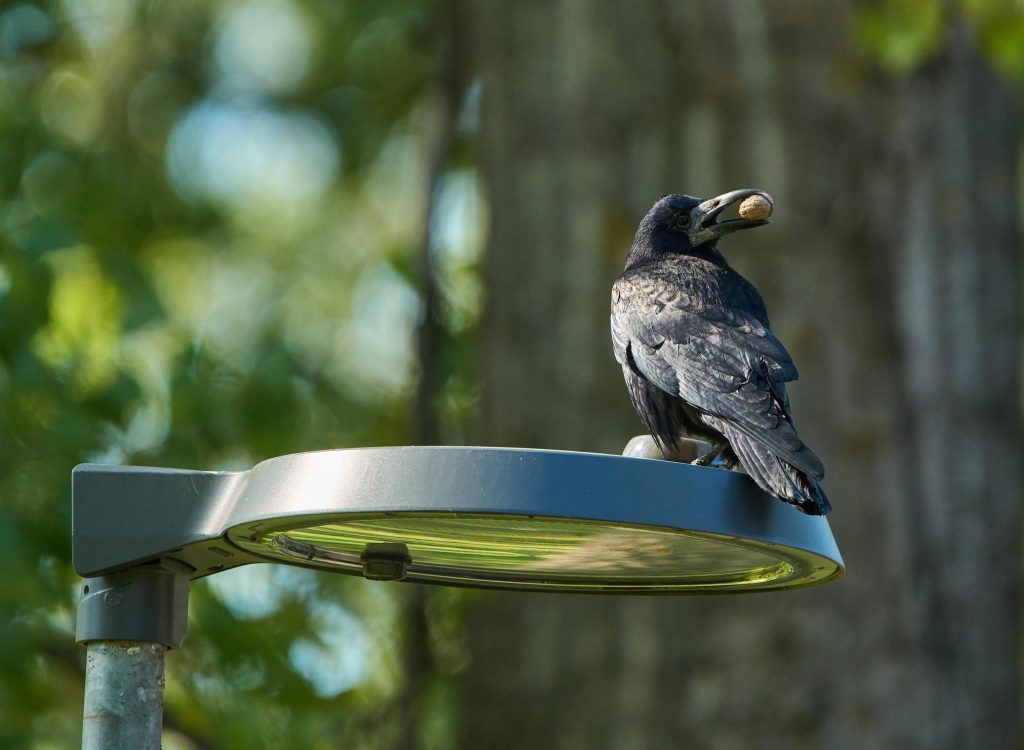
They might have a bit of a spooky reputation, but crows are incredibly intelligent. Some have even been seen dropping hard-shelled nuts onto roads, waiting for a passing car to crack them open before safely collecting the snack inside. Clever, right? 

Crows also have an incredible memory. If someone treats them badly, they can remember your face for a lifetime and even teach their young to avoid you too. Now that is one impressive grudge! 

On the other side of this, another animal that often gets an unfair reputation is the rat, who actually laughs when they’re tickled! While many people think of rats as dirty or disease-ridden, they’re actually playful, intelligent animals. Scientists have found that rats emit tiny high-pitched chirping sounds when they’re tickled – essentially the rat equivalent of laughter. 

Love, Friendship and Grief

Relationships. That’s something all humans have, whether it’s with our parents, friends, partners or family. Positive or negative, we all have connections with other people. 

Well, so do many animals. 

Cows have best friends! Penguins are known for offering their significant other a pebble as part of their courtship rituals, their equivalent of ‘proposing’. On the opposite end of the scale, some owl pairs can separate if breeding isn’t successful. There’s no paperwork or courtroom involved, of course, but they can dissolve their bond and find a new mate.

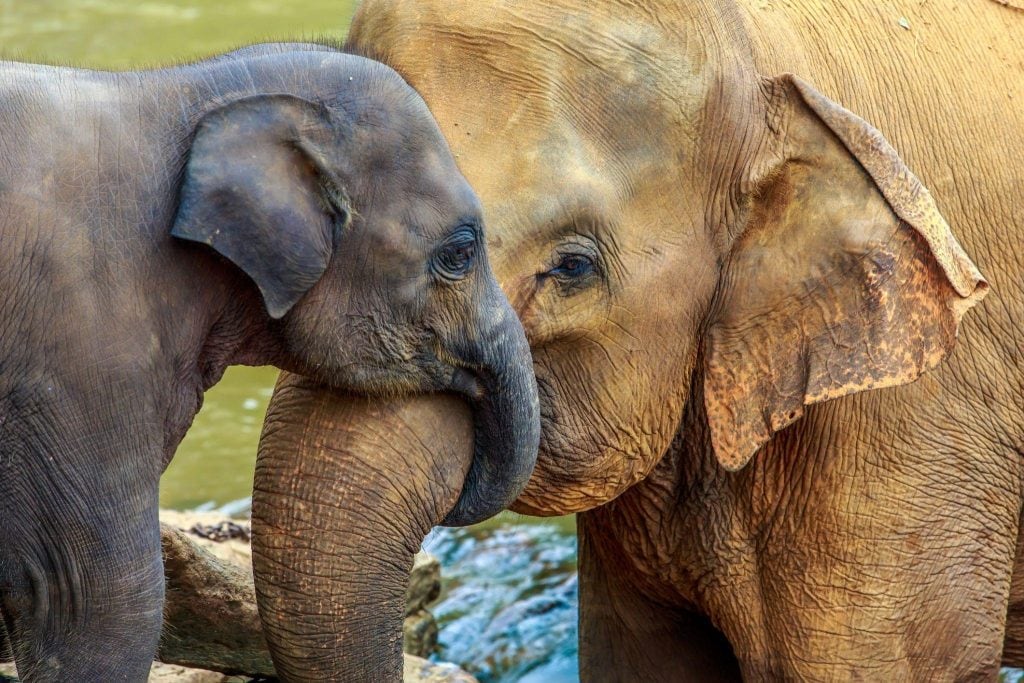
Sadly, grief is something we share too. Humans have different ways of mourning those we’ve lost, and many animals do too. Elephants have been observed returning to the remains of family members, spending time quietly touching the bones with their trunks before eventually moving on. It’s a powerful reminder that emotions aren’t always uniquely human. 

Animal Communication and Human Similarities 

We often think speech is uniquely human, but communication in the animal kingdom is amazingly sophisticated.

Dolphins have specific names and whistles for one another, much like how we have names! Likewise, goats, bats and even whales can develop regional accents, changing the sounds they make depending on the group they belong to. The more we study animals, the more similarities we discover.

But enough about our similarities. Animals are fascinating in their own right.

The Incredible Ways Animals Have Adapted 

Take eyes, for example. Humans have blue, green, brown, hazel and even in some rare cases, ‘heterochromia’ where they have two different-coloured eyes. Animals take things even further. Some have bright yellow eyes, vivid red eyes or pupils shaped like slits, squares or zigzags. Reindeer even change the colour of their eyes from golden-brown in summer to deep blue in winter, helping them see better in the snow and low light.

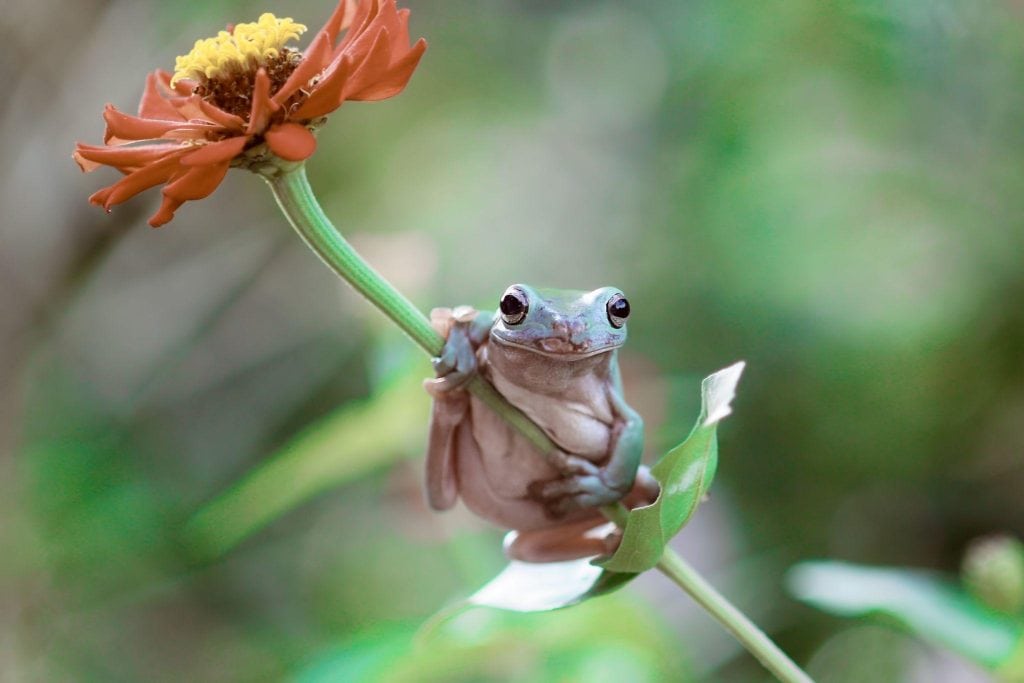
Evolution has equipped even the most common animals with some extraordinary adaptations. Garden snails may seem pretty regular, but they can have around 14,000 tiny teeth. Frogs are even more surprising. Some species fly through the air, while others, like the tropical frog, perform dances to attract a mate. Their slimy skin isn’t just for show either – it helps them breathe, fight infection and protect themselves from predators. 

Animal myths

Then there are the animal myths.

Many people think hippos swim, but they don’t in the way we imagine. Instead, they usually move by pushing themselves along the riverbed, using their immense weight and density to stay submerged.

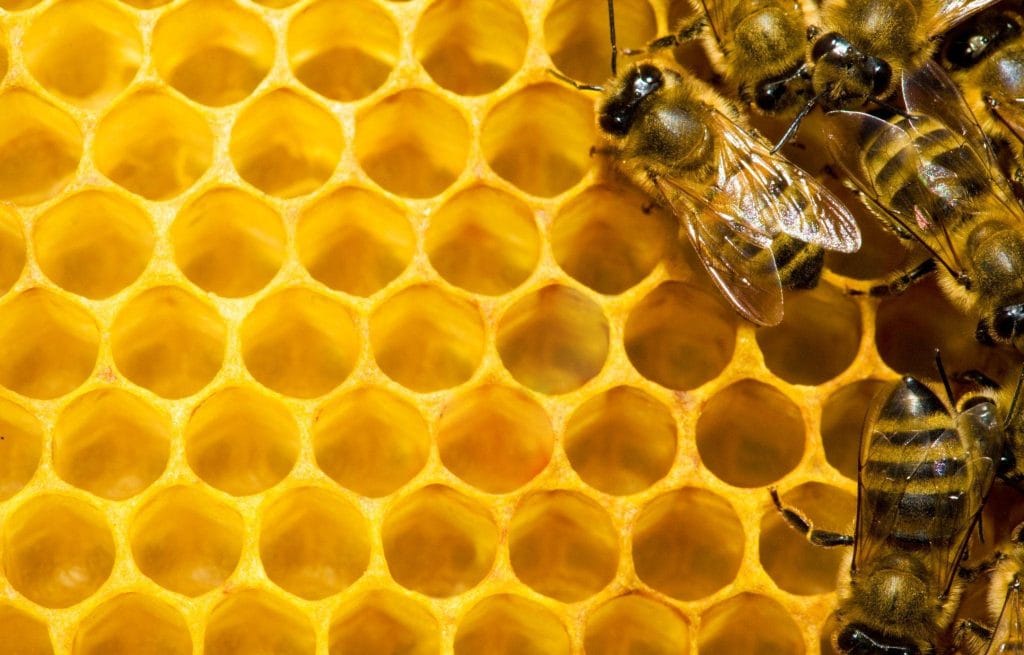
Another common myth is that animals don’t understand time. In reality, many species have impressive internal clocks. Honeybees will tell other areas of the hive what time they found their food so that they can return the same time the next day. Deer adjust their daily schedules depending on if it’s hunting season, and African elephants know when the rainy season will start and migrate in anticipation. 

Nature’s Secrets 

The more you learn about animals, the more extraordinary they become.

Sea cucumbers can eject their internal organs to escape predators before growing them back. Caterpillars have 12 eyes. Some snakes have infrared imaging- seeing heat signatures in the dark. Lyrebirds can mimic camera shutters, chainsaws and countless other sounds with astonishing accuracy. Ravens have even been observed mimicking wolf calls, potentially attracting wolves to carcasses that both species can then feed on.

With an estimated eight million animal species on Earth, we’ve only scratched the surface. Scientists are still uncovering how many of these remarkable abilities evolved and exactly how they work. Every new discovery reminds us just how much we still have to learn. To me, that’s one of the most exciting things about nature.

This World Animal Day, I hope you’ll look at animals a little differently. They’re not “just creatures”. They’re intelligent, emotional, adaptable and endlessly fascinating, and they deserve our curiosity, our respect and our protection.

Every day, animal rescue centres across the world provide food, shelter and care for animals in need. But with rising costs and increasing numbers of animals needing help, many rescues are under more pressure than ever.

To launch Donate a Dinner 2026, Naturewatch Foundation visited Teckels Animal Sanctuaries in Gloucestershire, highlighting the vital work carried out by rescue centres and encouraging people everywhere to support their local shelters this World Animal Day.

As the international coordinator of World Animal Day, Naturewatch Foundation created Donate a Dinner to inspire individuals, businesses, schools and community groups to donate food or essential supplies to rescue centres in their own communities on October 4. 

What is Donate a Dinner?

Every year on 4 October, people around the world celebrate World Animal Day by taking action to improve the lives of animals.

As the charity that coordinates World Animal Day internationally, Naturewatch Foundation created Donate a Dinner as a simple way for everyone to make a difference in their local community. The campaign encourages people to support their local rescue centres by donating a meal (or the cost of a meal) for the animals in their care.

Meeting the dogs behind the campaign

Sarah and two Teckels staff members crouch down in front of the World Animal Day flag to meet Apollo, a black Huntaway cross Husky. Apollo is holding one paw up and is looking at Sarah who smiles back at him.

During our visit, we met some truly unforgettable residents.

Among them were Paula, Pearl and Podge, three Pomeranians who were rescued from a property where around 120 dogs were being kept. Believed to be between eight and eleven years old, the trio had sadly never experienced something as simple as going for a walk before arriving at Teckels.

We also met Apollo, a three-year-old Huntaway cross Husky with a big personality who is patiently waiting to find his forever family.

Get involved this World Animal Day

We’ll be sharing more information about how you can take part in Donate a Dinner 2026 as World Animal Day approaches on 4 October.

In the meantime, why not start planning how you, your workplace, school or community group could support your local rescue centre? You could:

  • Donate pet food or other essential supplies.
  • Organise a fundraising event.
  • Purchase items from a rescue centre’s wishlist.
  • Volunteer your time.
  • Spread the word on social media.

Together, we can make sure rescue animals everywhere receive the care they deserve.

Animal migration is the seasonal movement of animal populations in search of food, breeding grounds, and suitable climates. These journeys can span continents and oceans, shaped by the need to survive and follow changing environmental conditions. Migration is vital for both animal survival and healthy ecosystems, helping to maintain food chains and reflect changes in climate and the natural world.

World Animal Day celebrates all species and highlights the importance of protecting wildlife. At its core is the understanding that migration must be conserved, yet these ancient routes are increasingly disrupted by habitat loss, climate change, pollution, and human-made barriers. As we explore some of nature’s greatest journeys, we must also recognise the growing threats they face and the urgent need to protect the pathways that make them possible.

Animals migrate to survive, moving in response to changes in food availability, climate and seasonal conditions. Many species travel long distances to reach areas where food is more abundant, whilst others move to find safe breeding and nesting grounds with fewer predators. Migration also helps animals avoid harsher weather and take advantage of more favourable climates through the seasons. Together, these journeys are essential for survival and are deeply connected to the natural cycles of the planet.

Across the Savannah: The Great Wildebeest Migration 

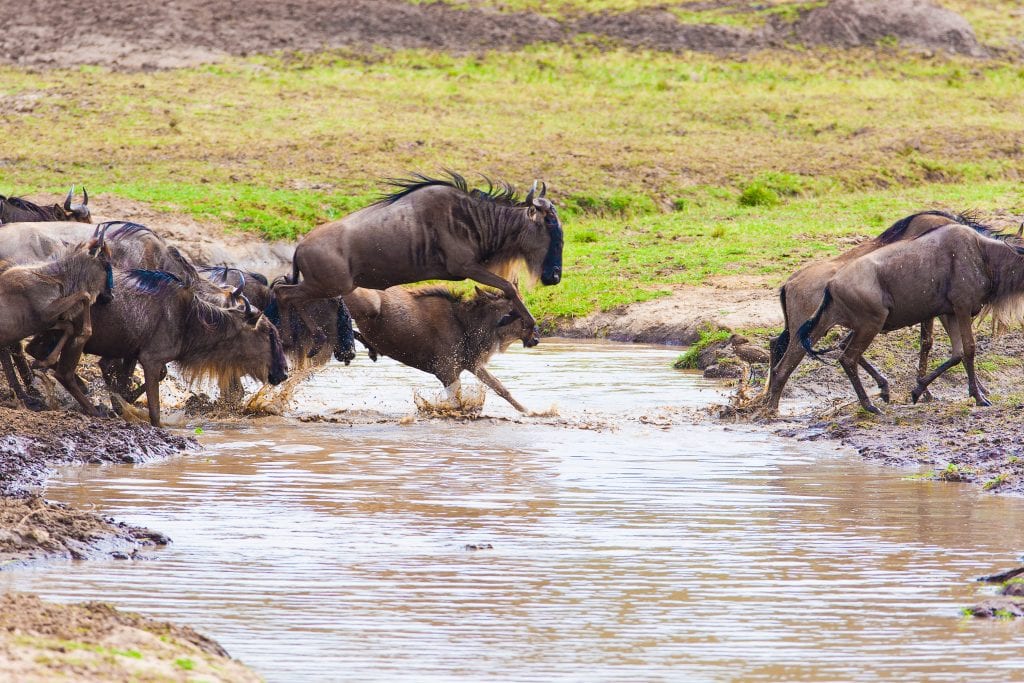
The Great Wildebeest Migration is one of the largest wildlife movements on Earth, involving around 1.5 million wildebeest alongside hundreds of thousands of zebras and gazelles. Taking place across the savanna biomes of Tanzania and Kenya, this continuous journey is driven by seasonal rainfall and growth of fresh grass. The herds are constantly on the move in search of food and water, following changing weather patterns rather than a fixed route. This migration plays a vital role in maintaining healthy grassland systems. It supports predators such as lions, cheetahs, leopards and hyenas and helps recycle nutrients across large landscapes. However, this migration is under increasing pressure due to climate change and expanding human development, all of which can disrupt traditional routes. 

Through the Oceans: The Humpback Whale Migration 

Humpback whales undertake one of the longest migrations of any mammal on Earth, travelling between cold feeding waters and warm breeding grounds each year. They feed in nutrient-rich polar waters, such as those near Antarctica and the North Pacific, where krill and small fish are abundant. They then migrate thousands of kilometres, often travelling thousands of kilometres, with some populations covering more than 8,000 km one way, to tropical waters near regions such as Hawaii and the Caribbean to breed and give birth.

Warm waters provide a safer environment for calves, while adults often fast during the breeding season, relying on stored energy. Mothers are highly protective of their young, and communication plays a vital role in their survival, with complex whale songs capable of travelling vast distances underwater.

Yet this remarkable journey is increasingly threatened by human activity. Ship strikes in busy ocean routes, noise pollution that interferes with communication, entanglement in fishing gear, and climate change affecting food supplies all place pressure on whale populations.

The humpback whale migration highlights the deep interconnectedness of marine ecosystems, and the need to protect ocean corridors that stretch across entire oceans.

Between the Poles: The Arctic Tern’s Epic Journey 

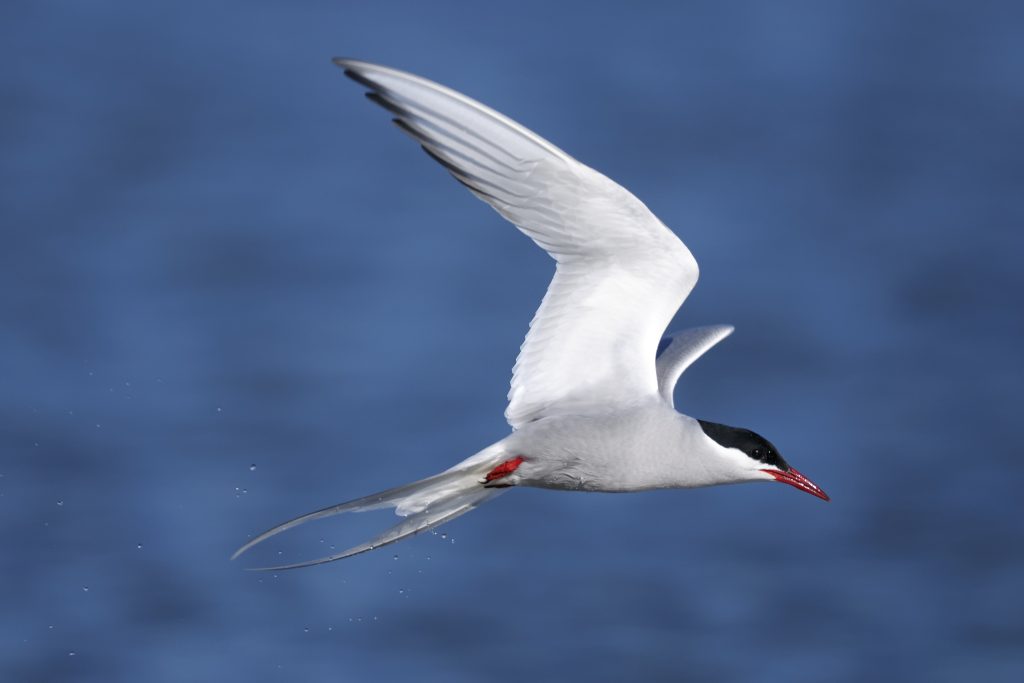
The Arctic tern is widely recognised as undertaking the longest migration of any animal on Earth. Each year, it travels between the Arctic and Antarctic, experiencing two summers annually and more daylight than any other species. Breeding in the Arctic during the northern summer, including regions such as Greenland, Arctic terns then migrate to Antarctic waters for the southern summer. This extraordinary round-trip journey can cover up to 70,000 kilometres or more each year.

These birds rely on continuous daylight and highly productive ocean waters to feed on small fish and marine invertebrates. They use wind patterns and ocean currents to assist their journey, making one of the most efficient long-distance migrations in the natural world.

However, Arctic terns face increasing threats from shifting ocean temperatures, changing food availability, plastic pollution, and disturbance of breeding colonies.

Their migration is a powerful reminder of how connected Earth’s polar regions are, and how even small birds depend on vast global ecosystems.

Ensuring These Journeys Continue 

The migrations of wildebeest, humpback whales, and Arctic terns reveal a fundamental truth: wildlife depends on a connected, healthy planet where land, sea, and sky function as one system.

These journeys support entire ecosystems, from grasslands shaped by grazing herds to marine food webs and polar environments that regulate global biodiversity.

Today, however, migration routes are increasingly at risk:

  • Habitats are shrinking due to agriculture, urban development, roads, and infrastructure
  • Migration corridors are fragmented by fences, dams, and other barriers
  • Oceans are disrupted by warming waters, shipping traffic, and underwater noise pollution
  • Climate change is altering seasonal patterns, wind systems, and food availability

Protecting these journeys requires urgent action:

  • Restore and reconnect habitats so animals can move freely
  • Create protected wildlife corridors across regions and borders
  • Reduce pollution in air, land, and oceans
  • Support conservation programmes that monitor migratory species
  • Take meaningful action on climate change

Every species has a role to play, and every migration has a purpose.

These extraordinary journeys are essential to maintaining balance across the planet’s ecosystems. They connect continents, oceans, and skies, linking life in ways that are both fragile and astonishingly powerful.

By acting now, we can help ensure that the world’s greatest animal migrations continue for generations to come, preserving the natural rhythms that sustain life on Earth.

The wait is over! We’re bringing back a much-loved tradition for 2026 – the World Animal Day Mug Competition!

While World Animal Day may still feel a little way off, we’re opening entries early again this year to give you plenty of time to get inspired and start creating.

Whether you’re an animal lover, an aspiring artist, or just looking for a nice way to spend a summer afternoon, this is your chance to use your creativity for a meaningful cause! 

What’s It All About?

We’re inviting people of all ages to design a brand-new mug for World Animal Day 2026.

There are no limits to your imagination:

  • Draw your favourite animal 
  • Celebrate wildlife and nature 
  • Show what animals mean to you 

Last year, we were blown away by the creativity and heart behind the entries, from farm animals and tributes to beloved pets to detailed underwater scenes! This year, we can’t wait to see what you come up with.

One of our outstanding runner’s up from 2025, Georgie!

How to Enter

Taking part is simple:

No printer? No problem.
If printing the template isn’t possible, you can simply create your design on a piece of paper or card, just make sure it’s roughly square or landscape in layout.

What You Could Win

  • Your design professionally printed on our official 2026 World Animal Day mug
  • Your very own mug featuring your artwork
  • Prizes for runners-up in each age category

Deadline: 31 August 2026

Why It Matters

This competition is about raising awareness and celebrating our shared responsibility to protect animals everywhere.

Have you read about this year’s World Animal Day theme yet? It’s a great source of inspiration for your design and helps highlight the focus of this year’s global celebration. 

Ready to get started? Print off your design template here.

Now, it’s over to you — what will your design say about animals in 2026?

“You cannot get through a single day without having an impact on the world around you.”

Jane Goodall (1934-2025) was one of the first female scientists and conservationists. She was, and remains, an inspiration to many across the globe for her gentle yet determined energy and her ability to spark curiosity in, and compassion for, the world around us.

As a young woman, Jane believed in her dreams and did everything it took to achieve her goals. Despite setbacks, including financial hardship and a period of illness upon her arrival in South Africa, her pioneering work has now inspired a worldwide movement. Her philosophy has changed how we see the world, inspiring us to do what we can to protect the animals we share it with. 

Jane’s background: Believing in her dreams

Born in the UK in 1934, Jane showed an interest and love of nature and animals from childhood. With one of her favourite stories being ‘Tarzan’, Jane had a dream of travelling to Africa and working with animals. Jane saved everything she earned from various jobs so that she could someday achieve her goals. 

Appearing on the Ellen DeGeneres show, Jane famously said: “What did Tarzan do? He married the wrong Jane”. Listening to Dr Goodall discuss her work and the animals she had spent time with in South Africa, you could clearly hear the true passion in her gentle voice. 

Jane’s work with Chimpanzees: Pioneering a new perspective.

Aged 26, Jane travelled to Africa and worked with Gombe National park in Tanzania, where her work began in studying the behaviour of wild chimpanzees. Working as a scientist and later within conservation, Jane’s commitment and dedication had a direct impact on improving the conditions for primates. She worked tirelessly to protect the chimpanzees and their habitats. 

Jane did not only study these animals from an academic perspective, she fully immersed herself in the environment in which the chimpanzees lived, observing first hand their behaviours and habits. Her work also pioneered a change in attitudes and approaches towards human-animal interactions. Her observations of Chimpanzee behaviour revealed that these animals have the ability to make tools, and to utilise them, for example. Jane also worked to improve the lives of captive species and animals used in the field of medical research. 

Jane Goodall wrote and published several books including In the Shadow of Man and The Book of Hope. The second offers a pathway to optimism during the climate crisis we continue to face, providing the reader with reasons to remain hopeful in this challenging world that is constantly under threat. 

Even into her nineties, Jane continued to travel and to work, never losing her desire to create a change not only for the chimpanzees and other animals she loved so much, but also to inspire new perspectives, approaches and compassion towards our natural world. We need to care, we need to change, we need to take action. 

Inspiring a compassionate global movement. 

Over the years, Dr Goodall inspired numerous people around the globe to care about the planet we live on and to take steps towards helping protect the wildlife we share it with. She founded the organisation Roots&Shoots which aims to educate young people and to empower them to take action in areas such as climate change and wildlife protection, in addition to humanitarian challenges faced by society.

Roots&Shoots state that their aim is to ‘Instil kindness and respect towards all life’. This seed was planted during Jane’s early work amongst chimpanzees and has continued to grow and flourish throughout her life until her death in 2025. 

Jane is mostly renowned for her work with Chimpanzees in South Africa, however her work in other areas has had just as big an impact. She has inspired generations to work together, taking steps towards a better future for our planet, from sustainability and ecosystem health to taking better care of our oceans. 

Jane Goodall possessed a calm and gentle energy yet also the determination and resilience to make a difference to the world, inspiring thousands of people, both young and old, to care, to get involved and to take action towards a better future for our planet and the animals we share it with. 

Inquisitive about the world around her and the behaviour of the primates she encountered, 

studied and loved, Jane’s work shall never be forgotten and her legacy will live on. 

Sources: 

On World Animal Day, October 4, 2025, we honoured both World Animal Day and the Naturewatch Foundation Grant by hosting a veterinary clinic in the Gold Street community in downtown Kingston, Jamaica. This inner-city community may not have much financially, but it is rich in compassion, pride, and deep respect for both their neighbours and the animals who share their lives.

We were joined by Dr. Abi Pinnock of Island Mobile Vets, along with her veterinary technician, Julia, who served as our Veterinary Care Team. We also partnered with our trusted Animal Angel, Charmaine, a dedicated resident of the community who helped coordinate the day. Together, we traveled into the community to provide wellness checks for dogs, cats, goats, rabbits, and guinea pigs belonging to local residents.

This clinic was made possible through the generous support of World Animal Day and the Naturewatch Foundation Grant. Thanks to this funding, our team was able to provide much-needed care to 80 animals in a single day – far more than we initially anticipated. We plan to return early this year to spay and neuter many of those animals.

The turnout exceeded our expectations, and the day unfolded as a joyful and deeply caring celebration of community at its best – people coming together to serve one another and their animals. While we originally planned to return at the end of October, the devastation caused by Hurricane Melissa and the required subsequent rebuilding efforts have unfortunately forced us to postpone our spay and neuter clinic.

We extend our heartfelt thanks to Dr. Pinnock and Julia, who worked tirelessly for hours with incredible dedication, and to Charmaine, whose coordination ensured that community members brought their animals to be seen.

It was a long day, but a very good and productive one, and a truly meaningful World Animal Day.

It’s that exciting time of year again, when we reveal the official theme for World Animal Day 2026!

As always, we turned to you for inspiration. We received hundreds of creative submissions, reflecting the diversity of animals across land, air and water. Choosing just one was no easy task, but after much discussion, we’re delighted to announce that the 2026 is:

“See the World Through Their Eyes”

A huge congratulations to Zoe from the UK, who submitted this theme. As a token of appreciation, Zoe will receive a World Animal Day logo pin.

Here’s the inspiration behind her suggestion:

“In a planet ever-affected by a changing climate and the consequences of human activity, it is important to remember that it is not just us that are impacted – it is animals.

We often make decisions and think to the future from a human-centric stance. But what about viewing things from a different pair of eyes?”

A Beautiful Design for 2026

We feel very lucky to once again partner with our talented illustrator-in-residence, Emma Jayne, who has created a stunning commemorative stamp design for this year.

Emma drew inspiration from one of the most biodiverse marine regions on Earth: the Coral Triangle, which includes waters surrounding Papua New Guinea. She explains:

“I find the Coral Triangle which encompasses Papua New Guinea to be such a fascinating area. There is a huge amount of sea life to be found there. The coral reefs are some of  the planet’s richest and most important ecosystems, supporting around 25% of all marine life, in an area covering just 1% of the ocean floor.”

The region is home to:

  • Around 3,000 species of fish – the greatest reef fish diversity in the world
  • Approximately 600 types of reef-building coral
  • 131 documented species of sharks and rays
  • 6 of the 7 species of sea turtles

Yet these extraordinary ecosystems are under increasing threat. Rising global temperatures and human impact are causing coral bleaching, a process in which coral lose their symbiotic algae partners. When this happens, the ripple effects are devastating, impacting not just reefs but the countless species and communities that rely on them.

Emma’s design reflects this:

“In my composition, I am looking at the ecosystem from the perspective of the sea life within it. To represent sea life, I am creating a lens in the shape of a fish, through which we can see coral and coral bleaching.”

Within this fish-shaped lens, Emma features species such as parrot fish, clown fish, sea turtles, dolphins, dugongs, manta rays, octopuses and a sperm whale, a reminder of the richness of life beneath the waves.

Changing Our Perspective 

This World Animal Day, we invite you to slow down and shift your perspective.

When we truly see the world “through their eyes”, our choices begin to change.

Once again, we have many exciting projects in the pipeline for this year’s celebration. 2026 will see the return of our design-a-mug competition for all those wanting to get creative, as well as our donate a dinner campaign, which seeks to recognise and give back to shelters that work tirelessly across the UK. Keep an eye out on our social media for updates within the coming months.

  • If you missed last year’s 100th Anniversary celebrations, you can catch up on everything here.

Let’s come together on October 4 and raise the status of animals around the globe. 

Website by AgencyForGood

Copyright 2026. All Rights Reserved